
Tyson Shepherd (b. 2001) based in Dallas, Texas / Bachelor of Fine Arts (Painting) – University of Texas at Arlington
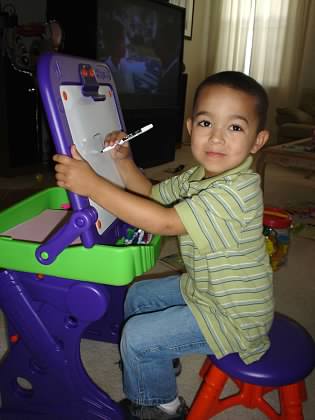
I started drawing when I was four. I created “toys” of my favorite cartoon characters made out of small paper cutouts. After my mom took my sister and I to Blockbuster to rent movies, I’d go home and cut out my favorite characters from the paper cover of each DVD. I got in trouble when we had to return the DVD with holes in the cover. I wanted to be immersed in the worlds inhabited by these characters. It interested me in ways the real world didn’t. A lot of people know how it feels to dream a different world for themselves. If you have a vision or idea for a world that doesn’t exist yet, it’s up to you to see it fulfilled in some way. For me, that’s painting. It’s the all-encompassing form of creation, where you can be totally obsessed and turn off the world.
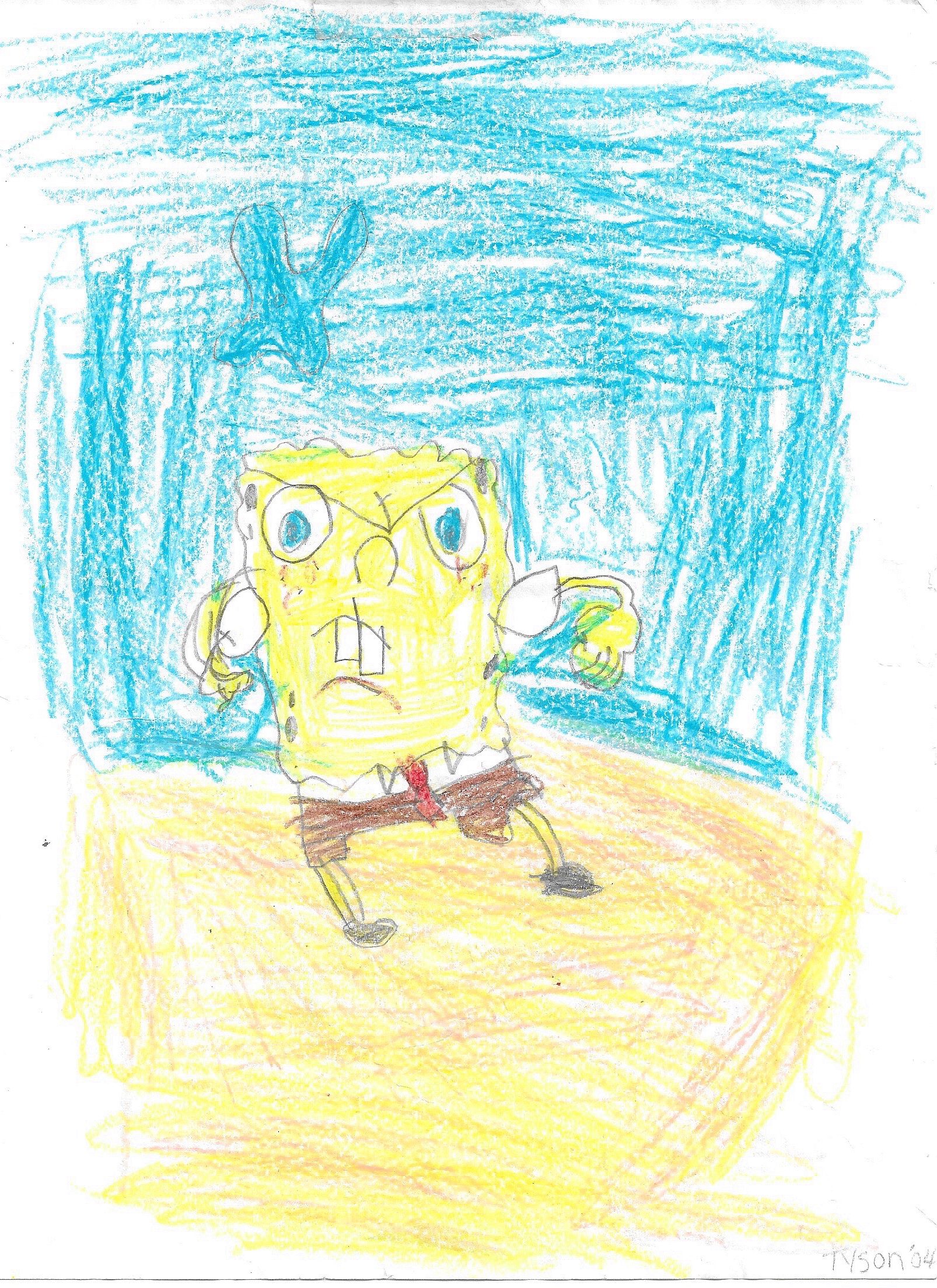
My acrylic paintings are explorations of memory, dreams, and my own personal mythology through a symbolic lens. Drawing from lived experience, internalized emotion, and cultural observation, I create visual allegories that reflect the complexities of self-awareness. Each painting is sparked by moments of discomfort or tension, which are experiences that demand my own reflection. Cartoonish visual language combines with highly rendered figures, many of which bearing reputations. Dream worlds collide with nightmarish, yet childlike environments. In this space between maturity and play, I construct a personal lexicon that invites viewers to examine the roles we occupy and to view the world from a fantastical perspective.

A great joke is typically disguised under an ugly truth. At first, you laugh at the joke because you recognize the truth behind it, but you become a little tense or uncomfortable after the laugh because the truth is hideous. Paintings can do something similar, and often they can inject that truth into you as quickly as possible. My favorite paintings are simple, yet complex — like a sophisticated child’s drawing.
David Lynch said ideas exist floating in a cloud somewhere, and every once in a while, you can catch one. He said you have to write it down or act on it right away, or risk losing it forever. But it’s not really gone just because you didn’t use it. Someone else could catch it. As if there’s an endless stream of ideas waiting to find you in a dream.
Dreams can present you with the reality that your conscious mind refuses to confront. Nothing in your dreams is nonsensical. They mostly filter out unnecessary information that our brain retains by default. But most interestingly, they act as what I call “safe simulations”. This means dreams are like practice for us to learn and exercise actions and behaviors in an environment that is free from actual harm. Our ancestors most likely developed the adaption to dream as a way to strategize hunting formations or social performances without the risk of death or real-world consequence. Paintings are useful in a similar way for me. They help me process my internal monologue and make me reevaluate my intentions, my character, and my emotional state. The quiet, self-contained, and seemingly insignificant details of memories that compile inside of my head are fuel for the moments shown in my paintings.
 TYSON SHEPHERD ART